Science
British Science Week
As well as our weekly Science lessons, often involving practical investigations, we celebrate Science during different times of year, such as during British Science Week.
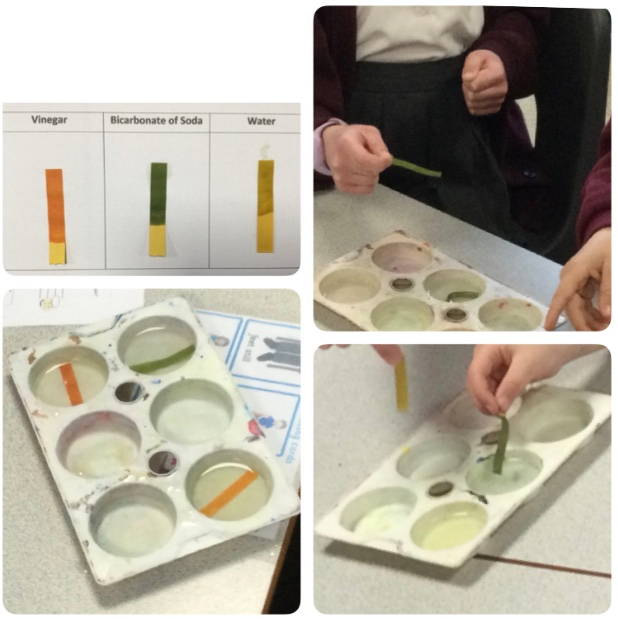
For Brititsh Science Week in 2025, we invesitgated about how things change. We did an Chameleon Paper Investigation to explore how some animals change colour using chemical reactions. We dipped litmus paper into the vinegar, bicarbonate of soda solution and water and observed what happened. Vinegar turned the paper red. Bicarbonate of soda turned the paper green or blue. Water did not affect the paper. The paper "camouflages" by changing colours based on its chemical environment, similar to a chameleon's ability to change skin colour using pigments and structural changes.
We also made a fact file on a camouflage animal, such as a chameleon, arctic fox, leaf tailed gecko, leaf butterflies, rockfish, decorator crab and Vietnamese mossy frog.
For British Science Week in 2024, children completed an investigation about the optimum time for dunking a biscuit in liquid. We completed different investigations across school, looking at different biscuits, liquids and water temperatures. Year 3 and 4 found out that milk holds the shape of a biscuit much better than water!
We also learnt about different influential scientists who are still alive, such as Jane Strachan, a climate scientist who works for the Met Office; Nina Tandon the CEO and co-founder of EpiBone, the world’s first company growing living human bones for skeletal reconstruction; Neil deGrasse Tyson, an American astrophysicist, author and science communicator, who researches observations in cosmology and astronomy; and Simon Conway Morris, a palaeontologist, evolutionary
biologist and astrobiologist, who has been researching the phenomena when unconnected groups of animals and plants evolve similar adaptations.
Planting Bulbs and Our Allotments
Bulbs4Kids kindly sent us 600 free daffodil, tulip, hyacinth and crocus bulbs. These were shared out amongst every pupil in school for them to plant 2 bulbs each around the school grounds. We love watching them flower in the spring.
Each class has their own allotment and we plant seeds in the spring, ready to harvest and eat in the summer.
Animal Visitors
Early Years pupils have been learning about the life cycle of different animals, enjoying watching chicks and butterflies hatch and having giant African land snails in their classroom.
Before and After School Club have enjoyed watching ducks hatch. Everyone in school got some time to see the ducklings!
Educational Visits
Year 2 also visited RHS Harlow Carr, as part of their Science topic, learning about living things and their habitats.
Extra Curricular Activities
We have held an extra curricular gardening club and have created our own allotment for the last few years. Also, we held a Young Engineers extra curricular Science club for pupils in Year 3 - 6.
Special Visitors
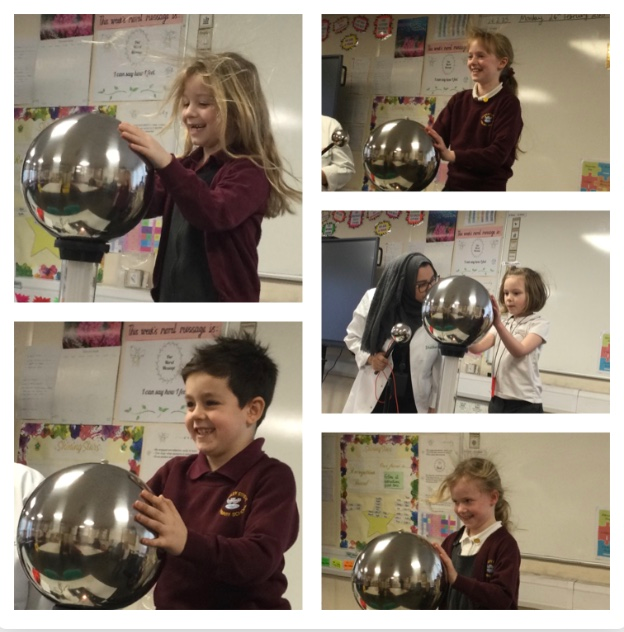
We had vets from Parkhill vets come into school to share about their jobs. They also brought in some special visitors!
Young University
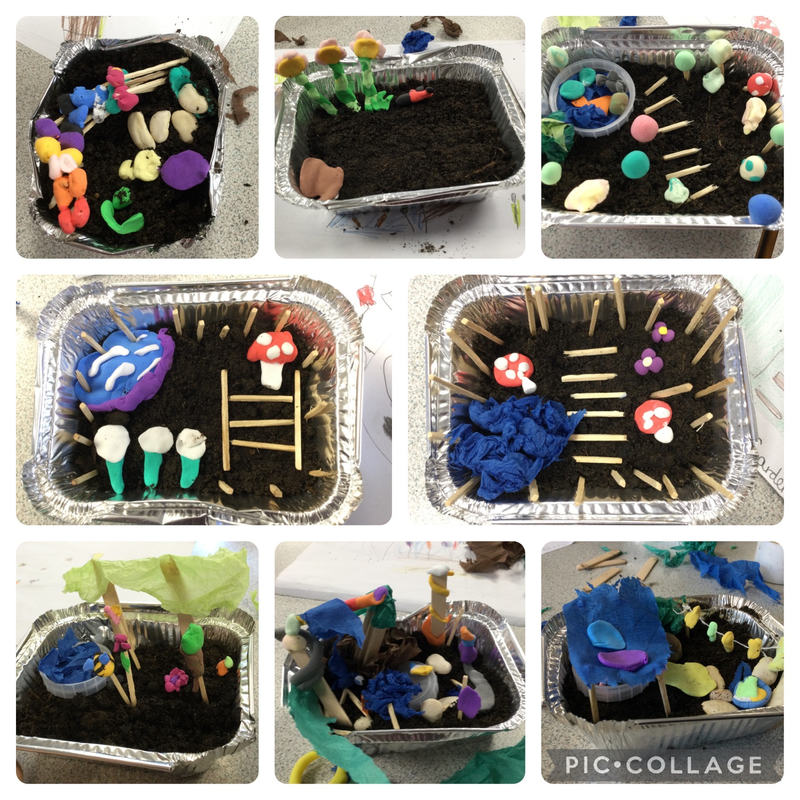
Young University topics often have an Science theme, such as miniature gardens and STEM bridge building.
50 Things to do Before Leaving Crossley Street
During their time at school, each pupil works their way through a '50 Things to do Before Leaving Crossley Street' document, which has many Science links, such as planting trees and bring up a butterfly.

Living Walls
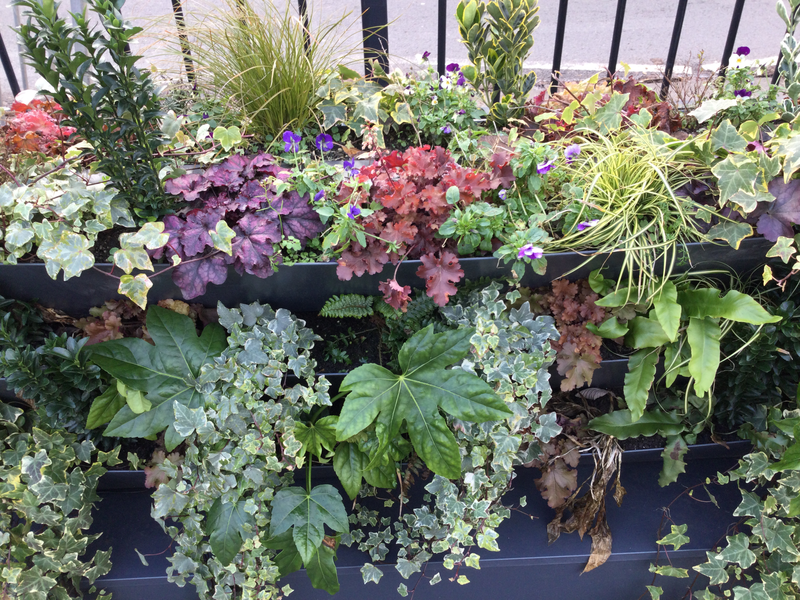
We have had living walls installed at the front of school to improve the quality of the air our children are breathing. The walls are fully self-sustaining and will water themselves using recycled rain water. Researchers from The University of Leeds and Leeds Beckett University have also installed measuring devices in different parts of the playground and the school, to measure the positive impact of the living walls on the quality of the air our children are breathing.
The children have been exploring the plants with magnifying glasses and discussing all the different animals they have seen amongst the greenery!